Venue from Issue 51

Puebla

A destination where history, culture, cuisine, and nature come together: a World Heritage Historic Center, 12 “Magical Towns,” archaeological sites, and indigenous communities.

Venue

Puebla Exhibition Center

Dates

March 9–12, 2027

City

Puebla de Zaragoza

Puebla at a Glance

A strategic location, connectivity, and a variety of experiences that few venues can offer. These are the essentials to consider before planning.

51ª

Mexico Tourism Fair

UNESCO

The Historic Center is a World Heritage Site

12

Magical Towns in the State

8

Types of Tourist Experiences, from Gastronomy to Wine Tourism

Why Puebla Is an Ideal Venue

Puebla combines a strategic location, connectivity, tourism infrastructure, and a wide variety of experiences. Its hotel capacity, culinary offerings, and expertise in hosting events—along with its rich cultural and natural heritage—make it an ideal destination for welcoming the national and international tourism industry.

What It Means to Be a " Venue " in the 51st Edition

Being named “ Venue ” represents an opportunity to showcase Puebla and Mexico to the national and international tourism industry, strengthen partnerships, and generate new business opportunities. Puebla aims to host this event with an innovative, inclusive, and sustainable vision.

Things to Do in Puebla

Filter by the type of experience you're interested in and click on any card to view the details—all without leaving the page.

20 experiences

Illustration of the Identity Business Sector in 2027

Business Tourism

Puebla Exhibition Center

Venue from the Tianguis

Infrastructure, connectivity, and services for conferences, conventions, and exhibitions.
Puebla offers infrastructure, connectivity, hotels, and specialized services for business tourism. The Exhibition Center is the “ Venue ” for the 51st edition and the starting point for everything else on this page.
Puebla Cathedral

Cultural

Historic District

Puebla City

UNESCO World Heritage Sites: cathedrals, gateways, convents, and historic districts.
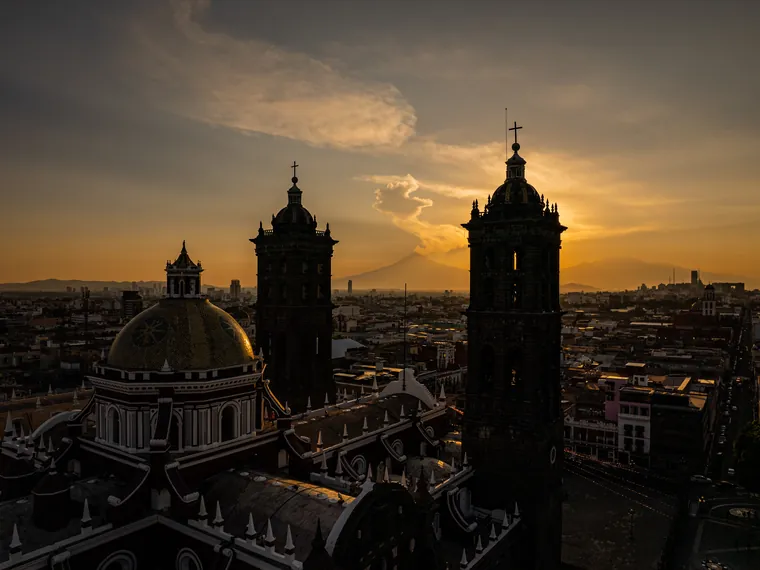
The heart of the city is home to the cathedral, the Zócalo, and dozens of churches and colonial mansions. It’s easy to explore on foot and serves as a natural base for anyone staying downtown during the Tianguis.
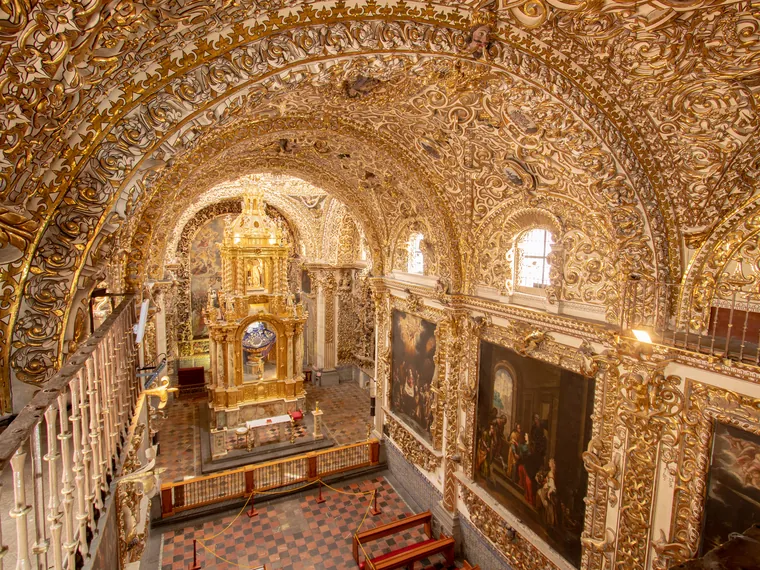
The gilded interior of the Chapel of the Rosary

Religious

Rosary Chapel

Santo Domingo Church, Puebla City

A masterpiece of New Spain Baroque architecture, covered in gold from floor to dome.
It is part of the Santo Domingo Temple and is one of the country's most famous works of religious art. Admission is free; it's best to go early to see it without the crowds.
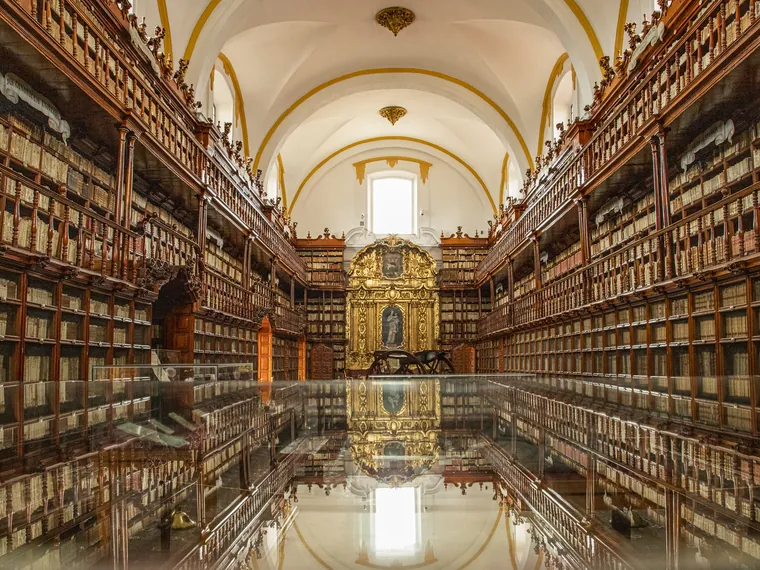
Shelves at the Palafoxiana Library

Cultural

Palafoxiana Library

Puebla City

The first public library in the Americas, with its original bookshelves.
UNESCO Memory of the World. It preserves thousands of volumes from the 15th to the 19th centuries in the cedar and ayacahuite furniture for which they were made.
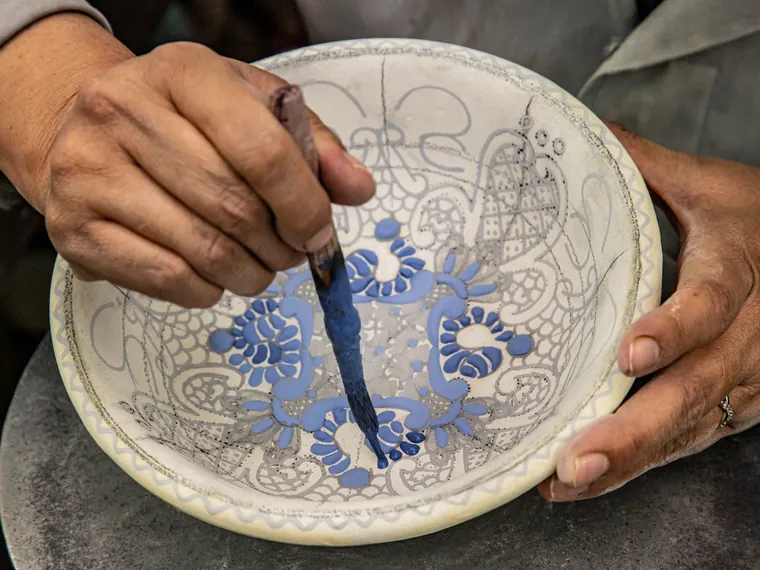
Talavera de Puebla pieces

Cultural

Talavera from Puebla

Puebla City

Pottery with a designation of origin, a tradition kept alive in family-run workshops since the 16th century.
Several workshops open their doors so visitors can see the entire process, from the potter's wheel to the kiln. Look for the certification seal: it distinguishes authentic Talavera from imitations.
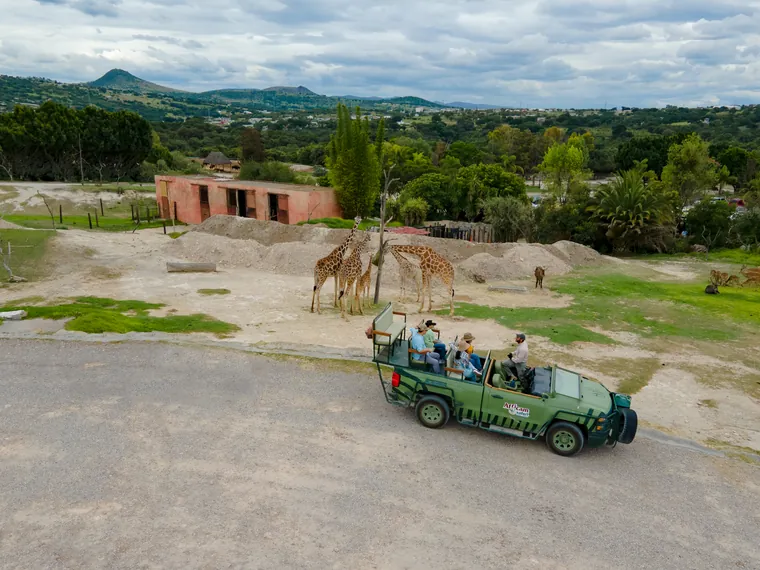
Wildlife at Africam Safari

Nature and Adventure

Africam Safari

On the outskirts of Puebla City

A vehicle safari among animals in semi-freedom—the first of its kind in Mexico.
One of the state's most popular attractions and the best option if you're traveling with your family. You can explore it in your own car or using the park's shuttle service.
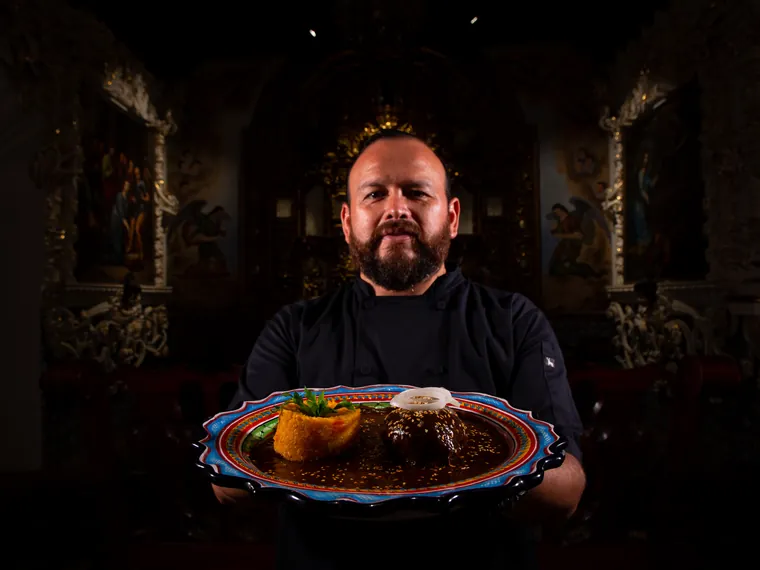
Mole Poblano Dish

Gastronomy

Mole poblano

Throughout the city

The signature dish of one of Mexico's great culinary traditions.
From the market stalls to the fine-dining restaurants in downtown. It's a good idea to make reservations during the Tianguis: demand skyrockets that week.
Chiles en nogada

Gastronomy

Chiles en nogada

Puebla and Calpan

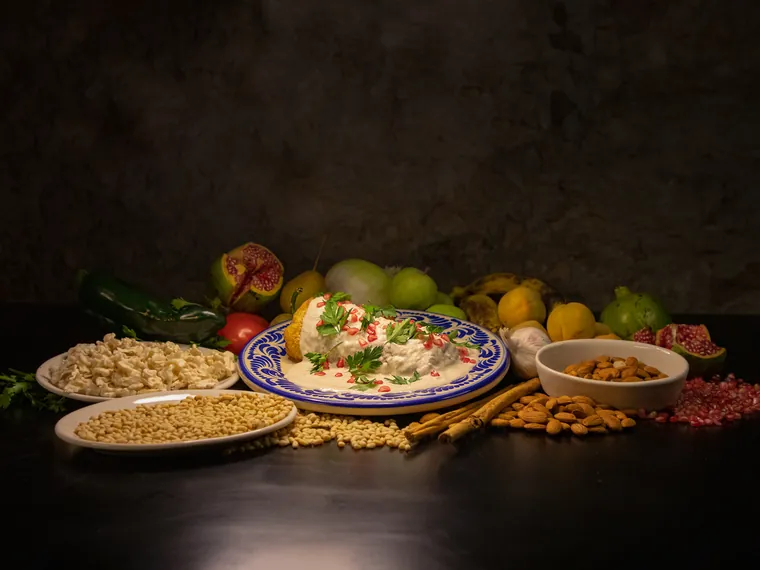
The country's most famous seasonal dish, which originated here.
The peak season runs from July to September, when pomegranates and Castilian walnuts are in season. Outside of those months, several restaurants offer it made with preserved fruit.
Traditional Sweets from Puebla

Gastronomy

Traditional Sweets

6th Street East, Puebla City

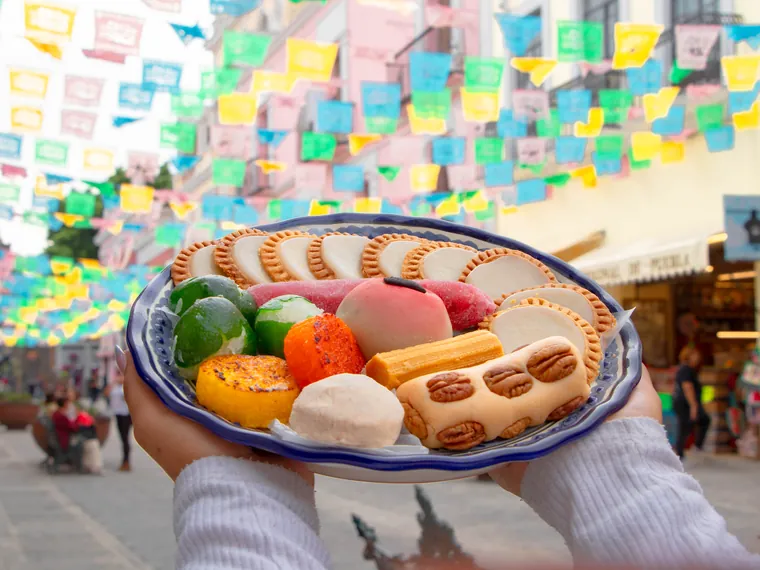
Sweet potatoes, borrachitos, and Santa Clara pancakes on Candy Street.
Puebla's confectionery tradition originated in the convents in the city center. Calle de los Dulces is home to a cluster of historic candy shops just a few blocks from the Zócalo.
Mezcal from Puebla

Wine Tourism and Mezcal

Mezcal Trail

Puebla Mixtec

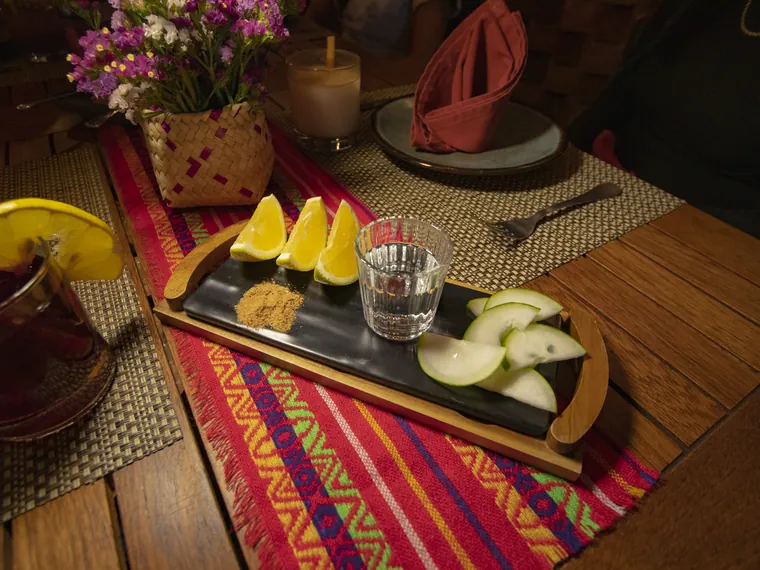
Mezcal distilleries and local producers in the Mixtec region.
Tours of palenques where the entire process—from sugarcane harvesting to distillation—is explained, with a tasting included. This pairs well with the gastronomic tour of the southern part of the state.
Santuario de los Remedios on the Cholula Pyramid

Cultural

Great Pyramid of Cholula

Cholula, Magical Town

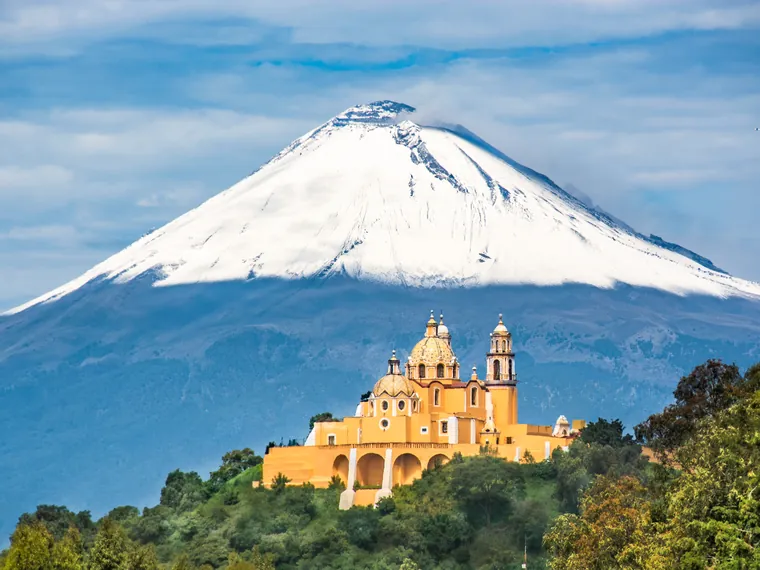
The world's largest pyramid by volume, topped by a sanctuary.
Visitors walk through the archaeological tunnels and climb up to the Shrine of Our Lady of Los Remedios, from where they can see Popocatépetl and Iztaccíhuatl on clear days.
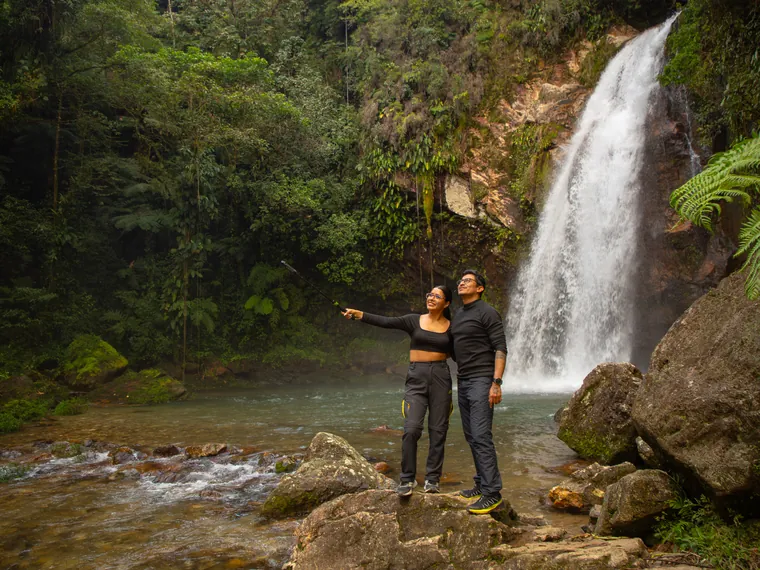
El Salto Waterfall in Cuetzalan

Nature and Adventure

Waterfalls and Caves of Cuetzalan

Cuetzalan, Magical Town

Sierra Norte: Waterfalls, caves, and canyons shrouded in fog.
El Salto, the Gruta del Duende, and the Cañón del Duende are a short distance from the town. It’s a full-day trip, so it’s best to leave early from the capital.
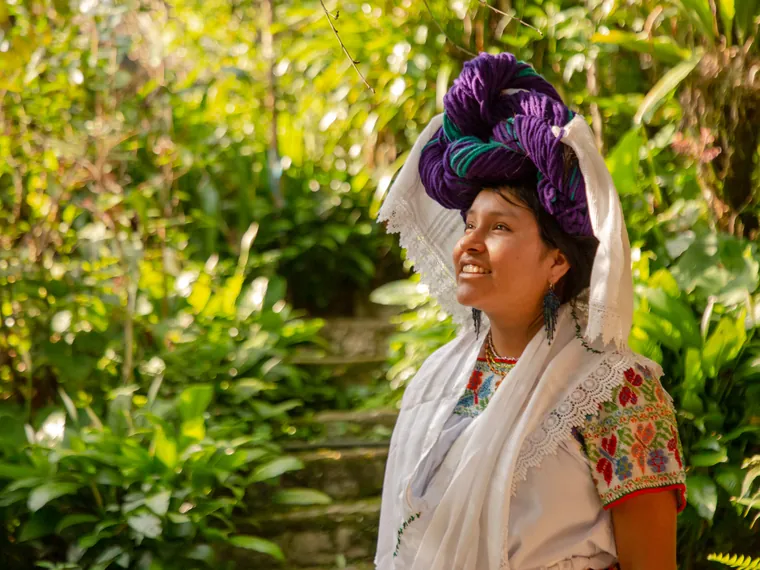
Traditional Costume of Cuetzalan

Community

Communities and Textiles

Northern Mountains

Experiences with Indigenous Communities: Textiles, Handicrafts, and Traditional Cuisine.
Cuetzalan preserves the Dance of the Flyers, a site inscribed on the Intangible Cultural Heritage of Humanity list, and backstrap weaving continues to be practiced in women’s cooperatives in the highlands.
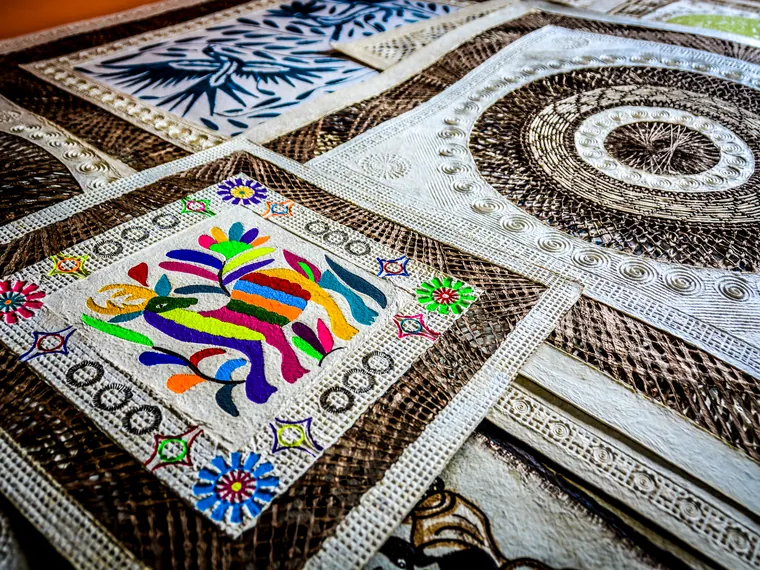
Amate paper from Pahuatlán

Community

Amate paper

Pahuatlán, Magical Town

Handmade paper made from bark, a pre-Hispanic technique that is still practiced today.
San Pablito, in Pahuatlán, is the country's main production center. The workshops welcome visitors and explain the process, from boiling the bark to sun-drying it.
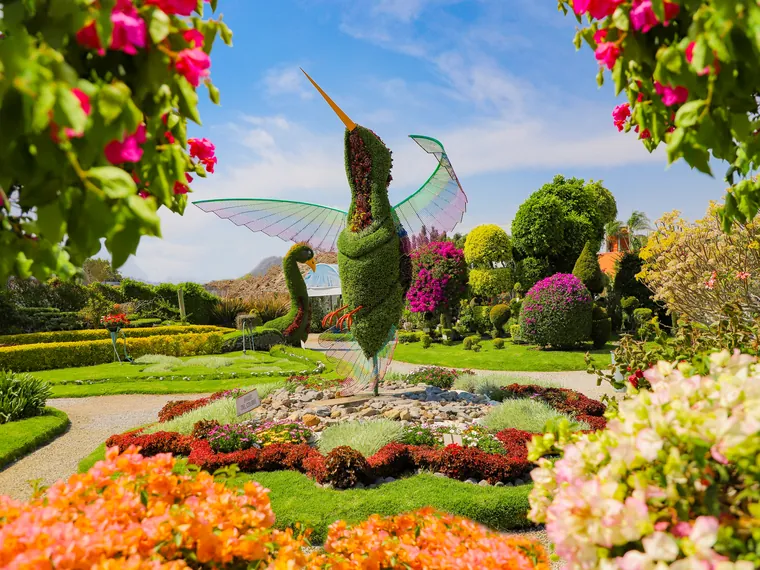
Atlixco's Magical Garden

Well-being

Atlixco and Its Gardens

Atlixco, Magical Town

Nurseries, a temperate climate year-round, and lookouts overlooking the valley.
Known as the "City of Flowers" for its production of ornamental plants. Cerro de San Miguel and the glass-enclosed observation deck offer the best view of Popocatépetl.
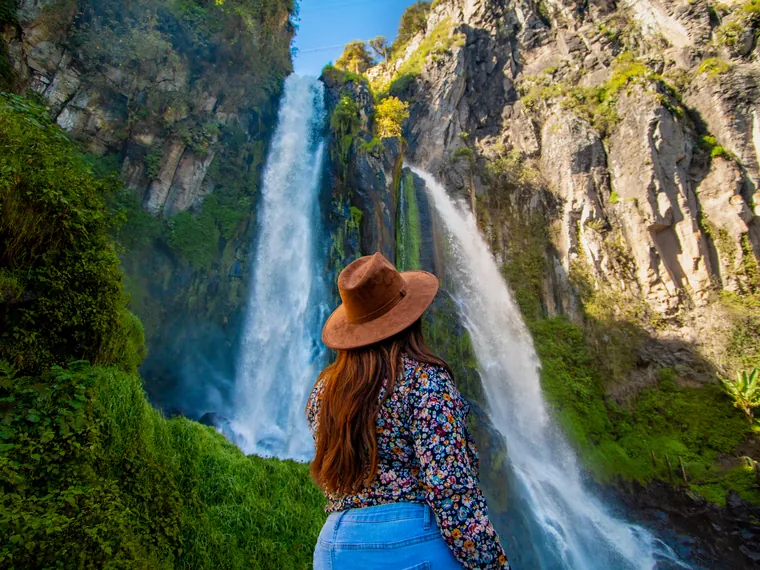
Salto de Quetzalapan Waterfall

Well-being

Hot Springs and Waterfalls

Chignahuapan, Magical Town

Hot springs and the Quetzalapan Waterfall.
The area's hot springs feed several spas that are open year-round. The town is also known for its workshops where handcrafted spheres are made.
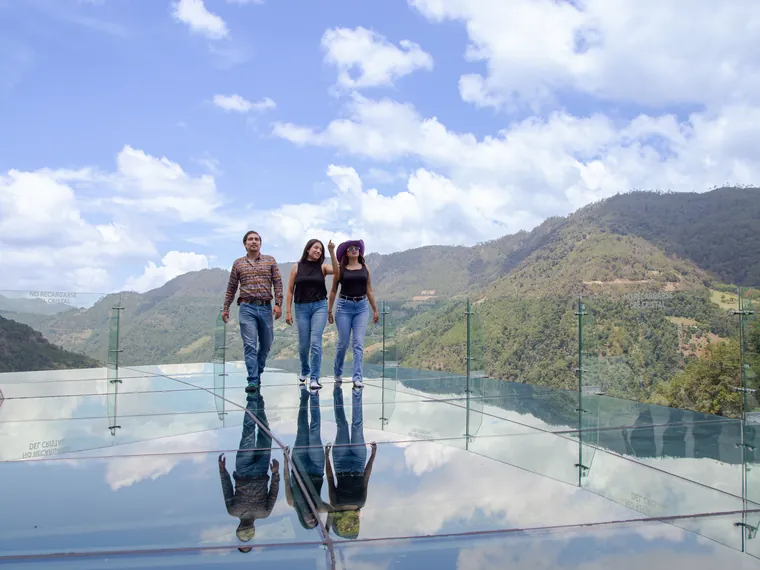
Zacatlán Glass Observation Deck

Nature and Adventure

Zacatlán de las Manzanas

Zacatlán, Magical Town

A glass-enclosed observation deck overlooking the valley, apple orchards, and cider orchards.
The lookout overlooks the Piedras Encimadas Valley. The area produces cider and fruit wines, and Peña del Águila is the best spot to watch the sunrise.
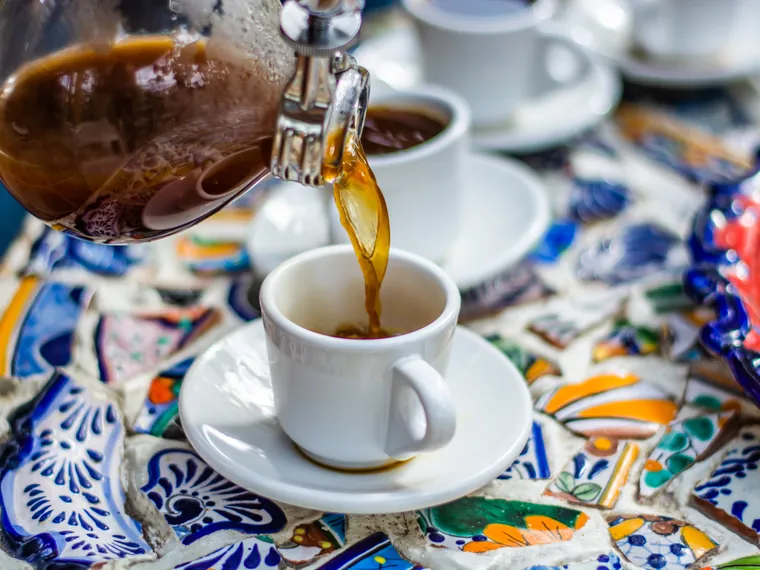
Coffee from Xicotepec

Wine Tourism and Mezcal

Coffee Trail

Xicotepec, Magical Town

Coffee Farms in the Sierra Norte: From Harvest to Cup.
Farms in the region welcome visitors to tour the coffee plantations, the processing facility, and the roasting facility. This is combined with a visit to the Cruz Celestial and the town’s lookout point.
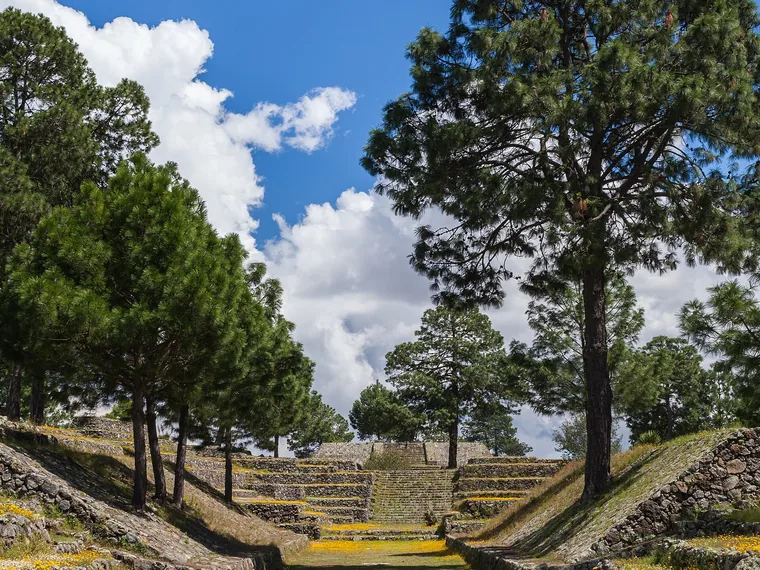
Cantona Archaeological Site

Cultural

Cantona

Eastern Puebla

One of the largest pre-Hispanic cities in Mesoamerica, built on volcanic badlands.
It is notable for its exceptional number of ball courts and its cobblestone streets, which are still fully intact. It is on UNESCO's tentative list of World Heritage Sites. Photo: Diego Delso, CC BY-SA 3.0.
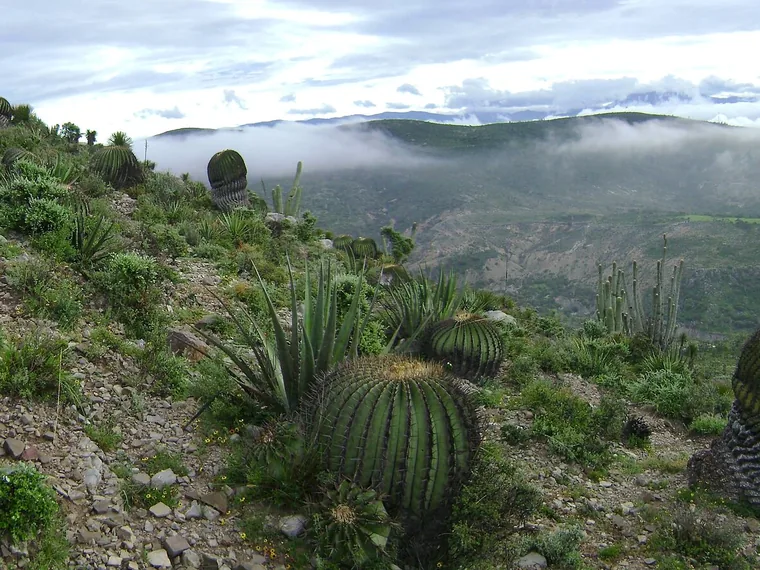
A landscape of cacti in Texcala, within the reserve

Nature and Adventure

Tehuacán-Cuicatlán Reserve

Southeast Puebla

UNESCO World Heritage Site: one of the densest forests of columnar cacti on the planet.

Designated a biosphere reserve in 1998 and a World Heritage Site in 2018, the Tehuacán Valley is also one of the places where corn was domesticated. Photo from Wikimedia Commons, freely licensed.

Plan Your Trip

How to Get There

Puebla International Airport offers domestic flights, and there are direct buses from Mexico City throughout the day.

View routes and transfers →

Where to Stay

Special rates at Venue hotels for buyers, exhibitors, and accredited press.

View hotels in Venue →

Weather in March

Mild days and cool nights. Be sure to bring a light jacket for the afternoon and comfortable shoes for the cobblestone streets in the city center.

What to Pack →

Get the information

Destination guide and current promotions for Tianguis visitors.